

Computer Code Solves a Quantum Mechanical Problem
A unique computer code that can model systems comprising thousands of atoms is driving fresh scientific discoveries
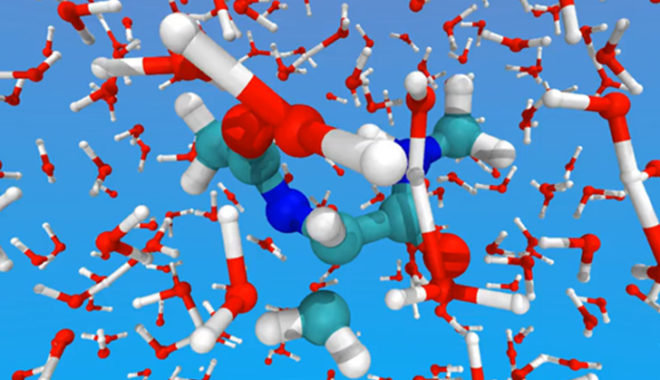
A unique computer code that can model systems comprising thousands of atoms is driving fresh scientific discoveries
We sat down with Dr. Peter Vincent to gain some insight into his research at Vincent Lab (www.imperial.ac.uk/aeronautics/research/vincentlab/). Dr. Vincent has been a key user …
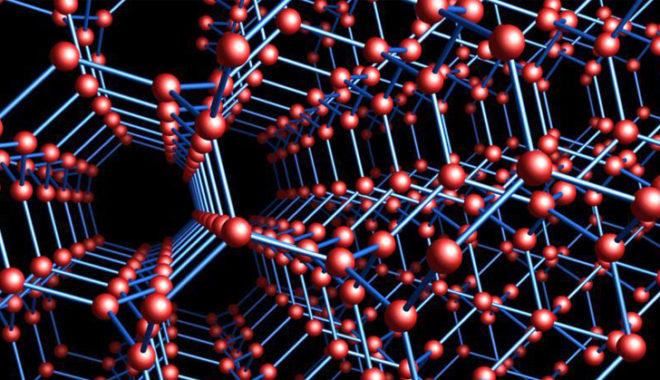
UCL and Cambridge University are spearheading inter-institutional research aimed at generating new knowledge on the properties of electrons in nanoscale semiconductors – with equipment-sharing making …

Last week, data scientists, researchers and students descended upon Carey’s Manor in the depths of the New Forest to attend the 2016 Data Science Symposium, hosted …

The SES consortium’s Emerald supercomputer is providing UCL astrophysicists with the computing firepower they need to help pinpoint exoplanets capable of supporting alien lifeforms.
Sinan Shi, Research Software Developer at University College London, was among the invited guests at SES’s Big Data event. He recaps the day and reflects …

The SES Big Data: Innovation in Analysis, Usability and Curation event was held on 18th September 2015. Featuring talks from key researchers at SES institutions and …
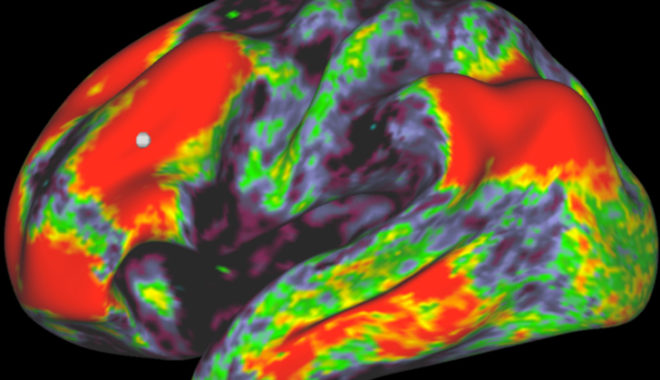
Innovative software developed at the Oxford Centre for Functional MRI of the Brain (FMRIB) is on track to improve our understanding of the mind’s innermost …
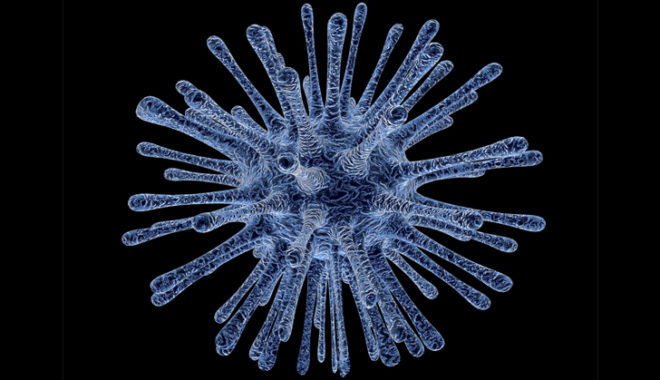
oxDNA, a novel computer model developed at the University of Oxford, is shedding light on how DNA behaves – underpinning valuable breakthroughs in fields such as improved drug delivery within the human body.