
Power of collaboration
Our members have a long history of collaborating on equipment and infrastructure, but also between researchers at our institutions.
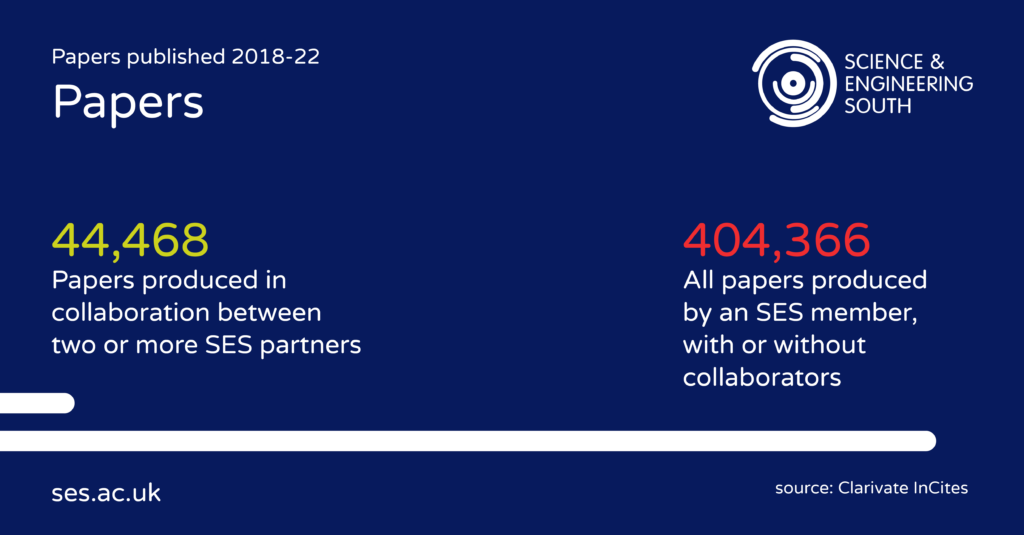
We recently took a closer look at the scale and power of our collaborations, which revealed some fascinating details. For example, more than one in 10 of the total number of papers published by our members between 2018 and 2022 were produced in collaboration with another SES member institution.
And we have evidence that papers in which researchers from SES institutions have collaborated are getting more citations. Individually, the SES universities produced more than 400,000 papers over the five-year period. These were cited 1.81 times more than the world average.
Meanwhile, the 44,468 papers with at least two SES universities as co-authors were cited almost 2.9 times more than the world average for similar papers.
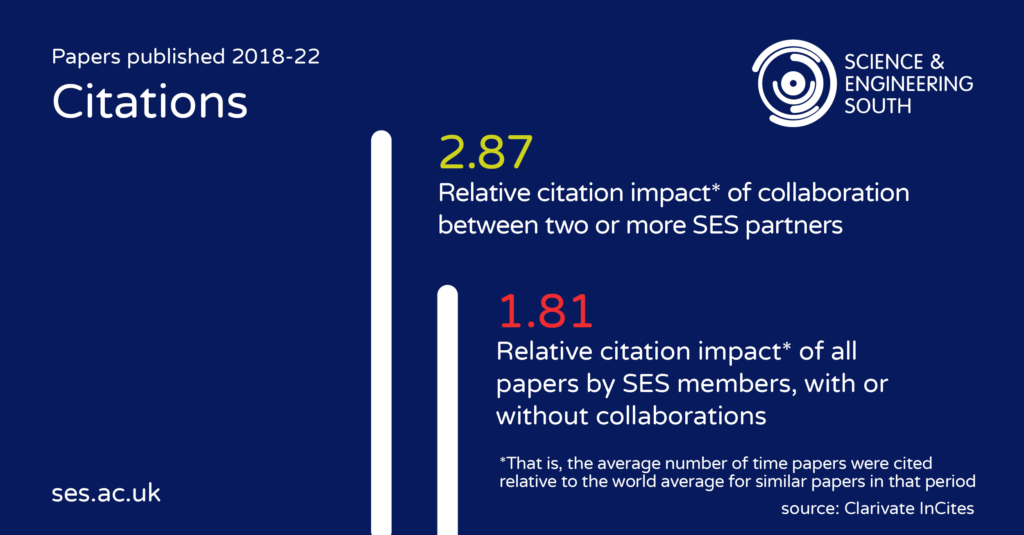
These figures show the strength of our research collaborations when individuals within our member institutions work together. Throughout this website, you can find examples of these collaborative research projects.
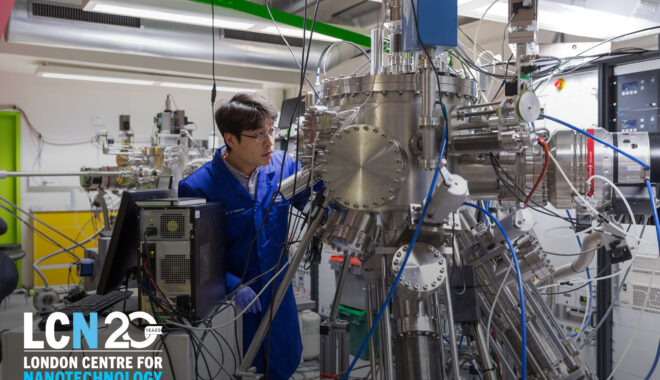
London Centre for Nanotechnology Marks 20 Years of Scientific Innovation and Partnership
Bringing together researchers across Imperial, UCL and King’s, the London Centre for Nanotechnology has spent the last 20 years driving collaborative research at the nanoscale. We spoke with Co-Director Professor Sandrine Heutz about the Centre’s evolution, its impact, and the future of nanoscience in London.
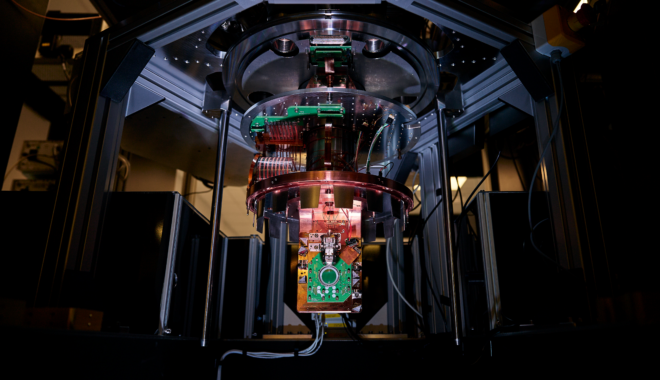
UK’s Most Powerful Quantum Computer
The UK’s most powerful quantum computer will be based at the University of Cambridge. It is part of a major new partnership with IonQ, the University’s largest corporate research collaboration.

London Quantum Cluster (LQC) – Where Quantum Comes Together
We put a spotlight on the London Quantum Technology Cluster. An initiative supported by City Hall to establish the capital as a leading global centre for quantum innovation.
Uniting UCL, Imperial College London, and King’s College London, the cluster brings together world-class research institutions with industry, government, investors, and local communities to accelerate the growth of this rapidly evolving sector.

Groundbreaking Research Shows Humans Possess a “Seventh Sense”
A new study from Queen Mary University of London and University College London shows that humans can detect objects buried in sand before touching them – a form of “remote touch” previously seen in animals like sandpipers.
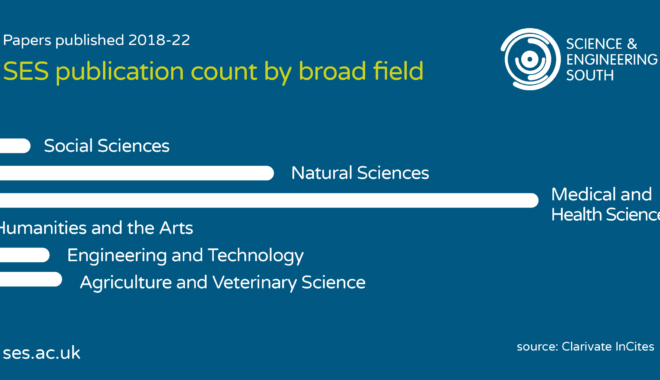
Our strengths, in numbers
Our members’ research excellence extends over many different fields, but a data analysis we commissioned shows some clear strengths.
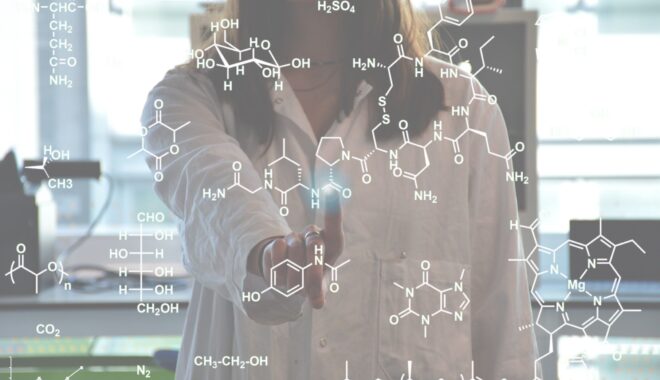
SES members to share in £100m boost to AI research
Nine new research hubs bringing together universities from across the UK will receive £80m to deliver revolutionary AI technologies, with SES members playing a leading role in three.