
SES Universities Lead the Way in Impact
The latest Knowledge Exchange Framework (KEF) data show Science and Engineering South (SES) universities’ impact on academic research, society and the economy.
Hundreds of experts gathered for the first time to explore how artificial intelligence can responsibly shape the future of education and publishing at Cambridge University.
Researchers from Science and Engineering South (SES) universities are among this year’s recipients of the prestigious Philip Leverhulme Prizes, recognising exceptional academic talent and innovation across the UK.
The panel members for the criteria-setting phase of REF 2029 (Research Excellence Framework) were announced in September this year. SES representation across every Main Panel and Sub-panel highlights the outstanding research capability, diversity, and expertise of our universities
Science Engineering South universities play a leading role across all four Main Panels and 34 Sub-panels of REF 2029, with representation that stretches from medicine and engineering to the sciences, social sciences, and humanities.
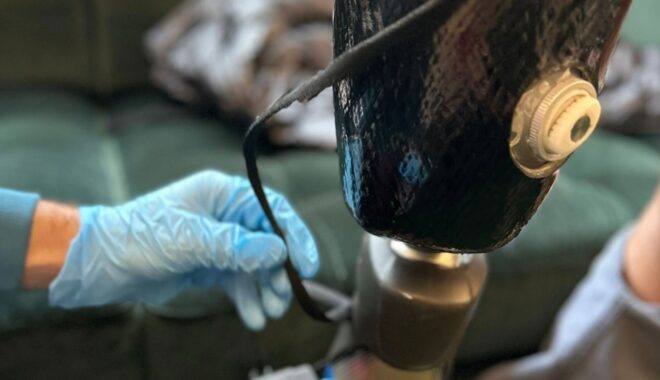
Researchers at Imperial College London have developed Roliner, a revolutionary new material that allows amputees to adjust the fit of their prosthetic limb liners.
When Imperial College London wanted to raise awareness of a clinical trial investigating strokes, they developed a pop up escape room to engage with people.
The Royce facilities at the University of Cambridge provides state-of-the-art equipment for the study of many different materials with almost a third of users from outside the host institution. Find out more about how Royce Cambridge supports the UK research ecosystem.
Almost half of UK higher education and research’s contribution to the national economy come from institutions based in England’s Greater Southeast.