

UK’s Most Powerful Quantum Computer
The UK’s most powerful quantum computer will be based at the University of Cambridge. It is part of a major new partnership with IonQ, the University’s largest corporate research collaboration.
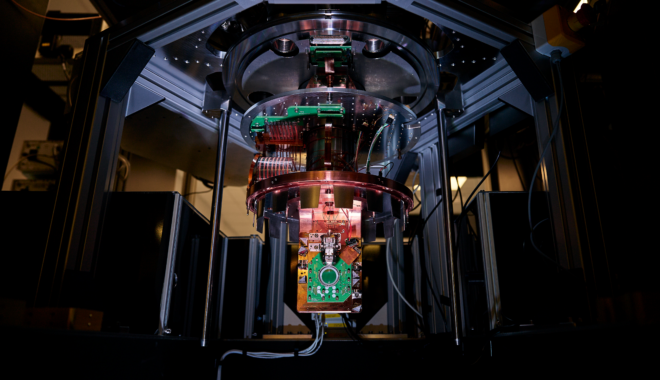
The UK’s most powerful quantum computer will be based at the University of Cambridge. It is part of a major new partnership with IonQ, the University’s largest corporate research collaboration.

We put a spotlight on the London Quantum Technology Cluster. An initiative supported by City Hall to establish the capital as a leading global centre for quantum innovation.
Uniting UCL, Imperial College London, and King’s College London, the cluster brings together world-class research institutions with industry, government, investors, and local communities to accelerate the growth of this rapidly evolving sector.

Academics from SES partner universities have been named among the inaugural Fellows of the UK’s new Academy for the Mathematical Sciences, highlighting the region’s strength and national impact.
The Academy brings together leaders from academia, industry, education, and government to advance priorities such as AI, climate, health, security, and quantum technologies.

A new study from Queen Mary University of London and University College London shows that humans can detect objects buried in sand before touching them – a form of “remote touch” previously seen in animals like sandpipers.

The latest Knowledge Exchange Framework (KEF) data show Science and Engineering South (SES) universities’ impact on academic research, society and the economy.

Researchers from Science and Engineering South (SES) universities are among this year’s recipients of the prestigious Philip Leverhulme Prizes, recognising exceptional academic talent and innovation across the UK.
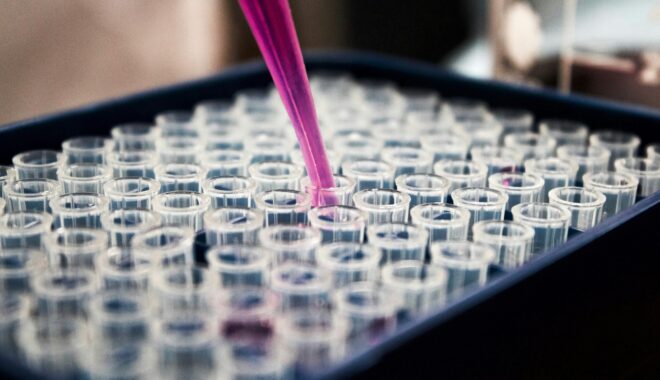
The panel members for the criteria-setting phase of REF 2029 (Research Excellence Framework) were announced in September this year. SES representation across every Main Panel and Sub-panel highlights the outstanding research capability, diversity, and expertise of our universities
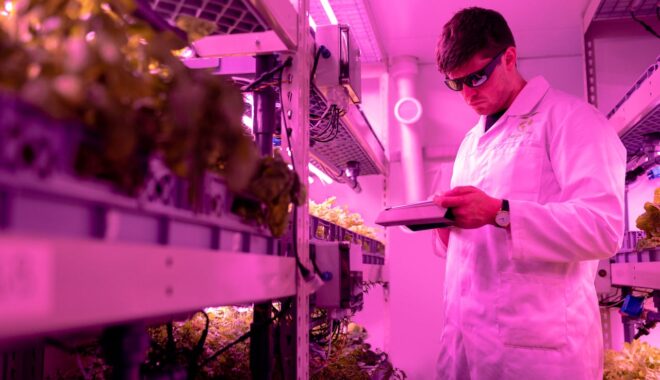
The job of curating and sharing research data is vital, but it has traditionally fallen to different groups of people. At UCL a dedicated team of Research Data Stewards has been assembled to work across a range of projects and services, as James Wilson explains.

Universities are regional anchors and integral to their ‘place’ with many examples of collaborating on scientific research with communities. Here are some recent community-led research activities by our members.

More than a third of the impact generated by King’s College London’s knowledge exchange and research activities occurred outside the capital, a report by London Economics reveals.

More than a third of the identifiable regional-based impact generated by Queen Mary University of London (QMUL) occurred outside of the capital, a report by independent consultants reveals
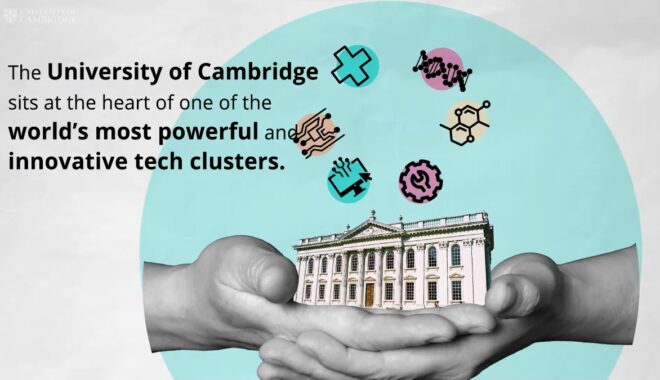
Almost half of the identifiable regional-based impact generated by the University of Cambridge occurred outside the east of England, a report by independent consultants reveals.