
UK’s Most Powerful Quantum Computer
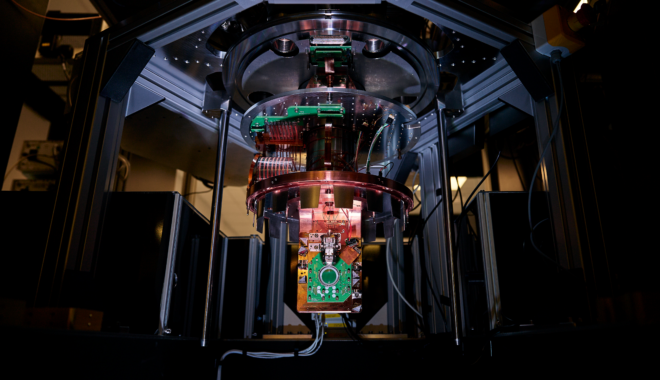
The UK’s most powerful quantum computer will be based at the University of Cambridge. It is part of a major new partnership with IonQ, the University’s largest corporate research collaboration.
We put a spotlight on the London Quantum Technology Cluster. An initiative supported by City Hall to establish the capital as a leading global centre for quantum innovation.
Uniting UCL, Imperial College London, and King’s College London, the cluster brings together world-class research institutions with industry, government, investors, and local communities to accelerate the growth of this rapidly evolving sector.
A new study from Queen Mary University of London and University College London shows that humans can detect objects buried in sand before touching them – a form of “remote touch” previously seen in animals like sandpipers.
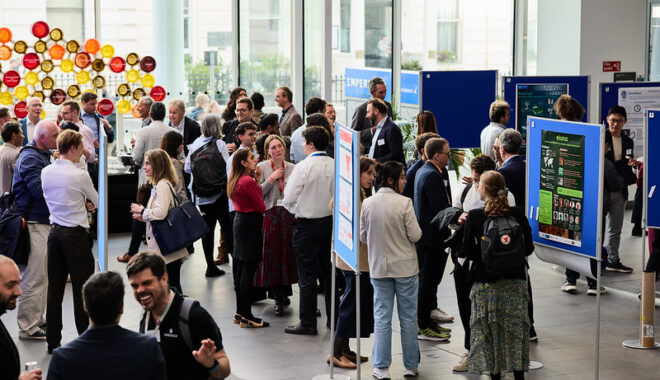
Hundreds of experts gathered for the first time to explore how artificial intelligence can responsibly shape the future of education and publishing at Cambridge University.
Researchers from Science and Engineering South (SES) universities are among this year’s recipients of the prestigious Philip Leverhulme Prizes, recognising exceptional academic talent and innovation across the UK.
Science Engineering South universities play a leading role across all four Main Panels and 34 Sub-panels of REF 2029, with representation that stretches from medicine and engineering to the sciences, social sciences, and humanities.