Academics elected to the British Academy in 2026
Academics from SES member universities have been elected as Fellows of the British Academy in recognition of their outstanding contributions to the humanities and social sciences.
Science and Engineering South (SES) universities will play a leading role in two new artificial intelligence research laboratories funded through a £60 million investment from UK Research and Innovation (UKRI). The initiative will help secure the UK’s position at the forefront of AI research by attracting world-class talent, creating new opportunities for PhD students, and supporting the long-term growth of the UK’s AI sector.
Researchers and leaders from SES member universities were recognised in the King’s Birthday Honours 2026.
Honourees included distinguished academics and innovators from the University of Oxford, Queen Mary University of London, the University of Cambridge, Imperial College London, the University of Southampton and University College London, reflecting the breadth of impact across health, climate science, engineering and education.
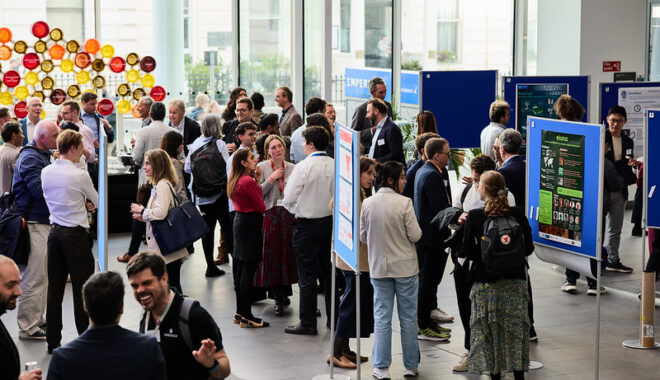
Science & Engineering South (SES) partner Imperial College London brought together founders, investors and researchers for ChemEng Enterprise Day 2026, showcasing a growing pipeline of deep-tech ventures from its Department of Chemical Engineering.
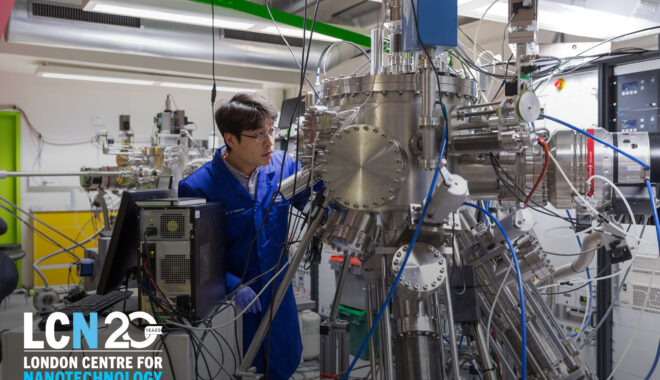
Bringing together researchers across Imperial, UCL and King’s, the London Centre for Nanotechnology has spent the last 20 years driving collaborative research at the nanoscale. We spoke with Co-Director Professor Sandrine Heutz about the Centre’s evolution, its impact, and the future of nanoscience in London.
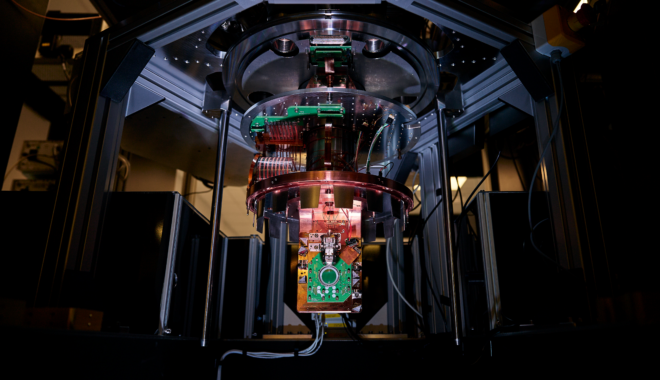
The UK’s most powerful quantum computer will be based at the University of Cambridge. It is part of a major new partnership with IonQ, the University’s largest corporate research collaboration.
We put a spotlight on the London Quantum Technology Cluster. An initiative supported by City Hall to establish the capital as a leading global centre for quantum innovation.
Uniting UCL, Imperial College London, and King’s College London, the cluster brings together world-class research institutions with industry, government, investors, and local communities to accelerate the growth of this rapidly evolving sector.
A new study from Queen Mary University of London and University College London shows that humans can detect objects buried in sand before touching them – a form of “remote touch” previously seen in animals like sandpipers.
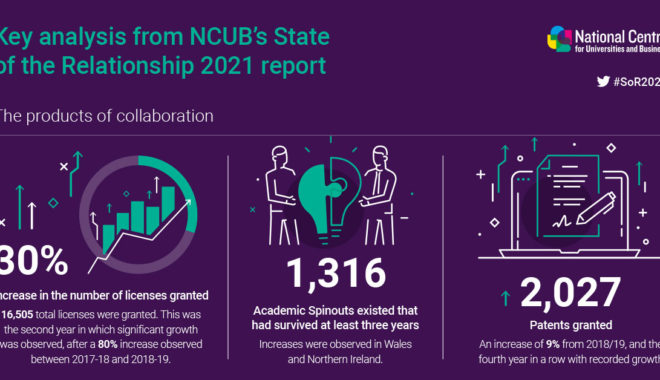
Each year, NCUB celebrates collaborations between universities and industry in a report highlighting trends in innovation. This year, activities at two SES members are featured.
75 Centres for Doctoral Training (CDTs) across the UK are set to receive over £800 million in support from UK Research and Innovation (UKRI) and …
Keep a steady speed. Anticipate what’s ahead. Where possible, coast to slow down. When accelerating, do it gently. Driving tips like these don’t just reduce …
How Machine Learning is helping researchers develop medical implants We talk to Dr. Peter Vincent about the various applications of computational fluid dynamics and machine …