

The spin-outs changing our world
Spin-outs have the potential to redefine how research, patient care and product development is handled in the future. Find out about SES members’ spin-out activities.

Spin-outs have the potential to redefine how research, patient care and product development is handled in the future. Find out about SES members’ spin-out activities.

Looking beyond SES members’ excellent performance in REF 2021 to their case studies reveals the positive impact their research is having. Here are some examples.
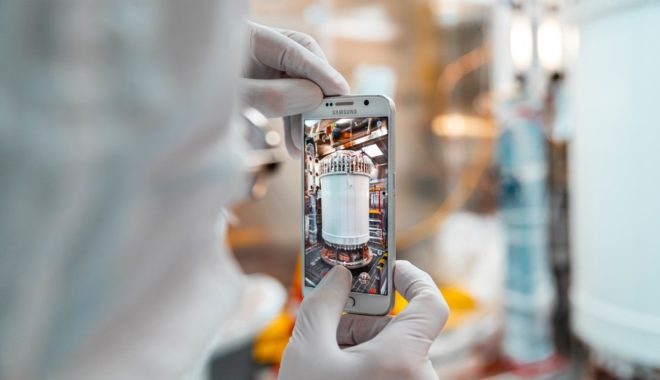
Six SES members to receive a share of a £60m investment, which supports the next generation of particle physicists.
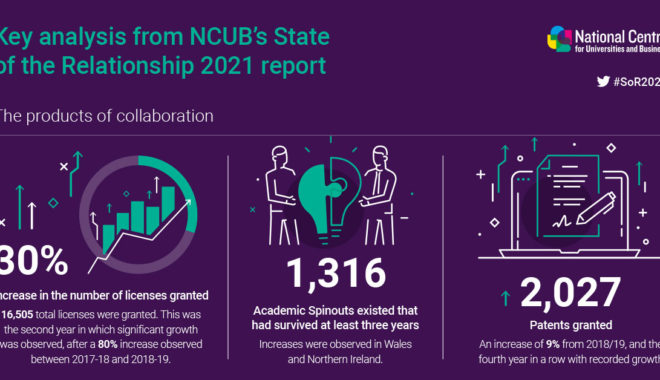
Each year, NCUB celebrates collaborations between universities and industry in a report highlighting trends in innovation. This year, activities at two SES members are featured.

DAFNI, an infrastructure research platform managed by a University of Oxford-led partnership, is to play a significant role in assessing the risk of climate change in the UK.
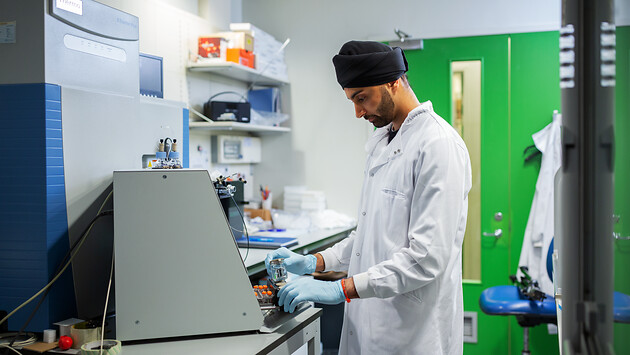
Historically, universities have lacked guidance on how to make labs more sustainable. Now SES members are using the LEAF framework to build sustainability into day-to-day lab usage.
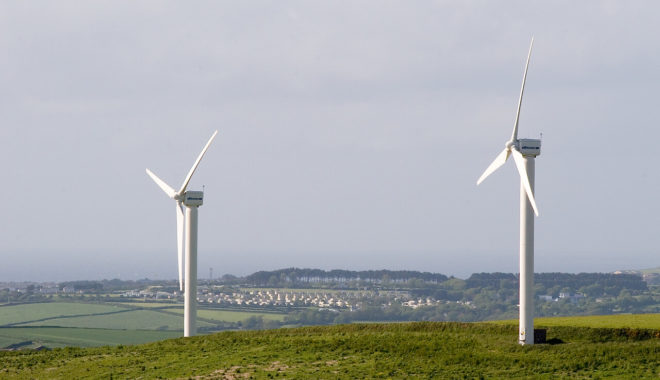
COP26 in Glasgow is showcasing the innovation and research influencing policy makers’ decisions on climate change. Find out how SES member universities are contributing.

The UK’s ability to respond to global challenges has been enhanced with a £1.2m investment in a digital platform that helps scientists analyse problems and model infrastructure improvements.

Almost 40% of the £3.4bn generated by The University of Oxford’s knowledge exchange activities occurred outside the south east of England, a report reveals.
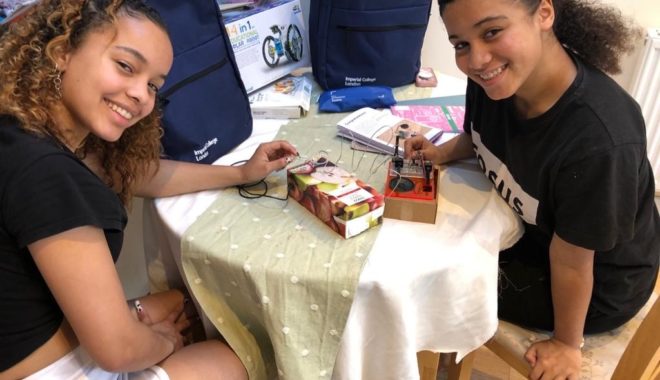
Celebrating the collective successes of Science and Engineering South member universities in the UK Knowledge Exchange Framework
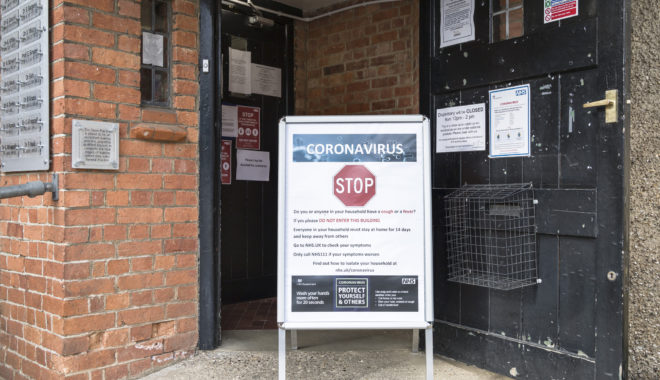
Two engineering PhD students from the University of Oxford have created a simple online solution that enables GP surgeries across the UK to optimise the delivery of Covid-19 vaccinations to the UK’s one million housebound patients.
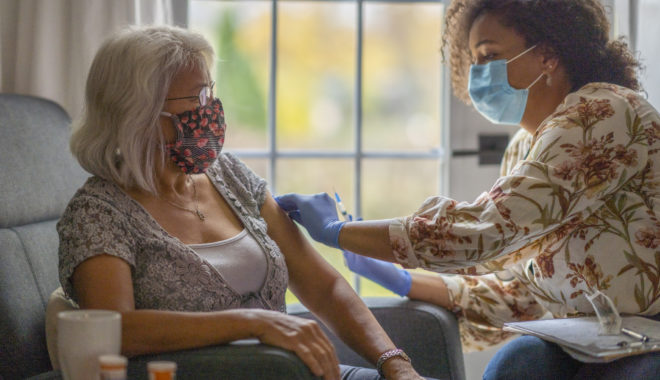
A simple online mapping tool developed by two Oxford students has potentially saved GP surgeries up to tens of thousands of hours planning Covid-19 vaccinations to the UK’s one million housebound patients.