Discovering positive research initiatives at SES universities
Our partner universities are at the cutting edge of research. They constantly strive to create environments where new ideas can flourish, and innovation is second nature.
Spin-outs have the potential to redefine how research, patient care and product development is handled in the future. Find out about SES members’ spin-out activities.
Looking beyond SES members’ excellent performance in REF 2021 to their case studies reveals the positive impact their research is having. Here are some examples.
When research technology professionals work with your team it makes for ‘happy researchers’ delegates at a SES event heard last month.
Six SES members to receive a share of a £60m investment, which supports the next generation of particle physicists.
To celebrate National Apprenticeship Week, we look at some of the technical talent recruited to our universities through apprenticeships.
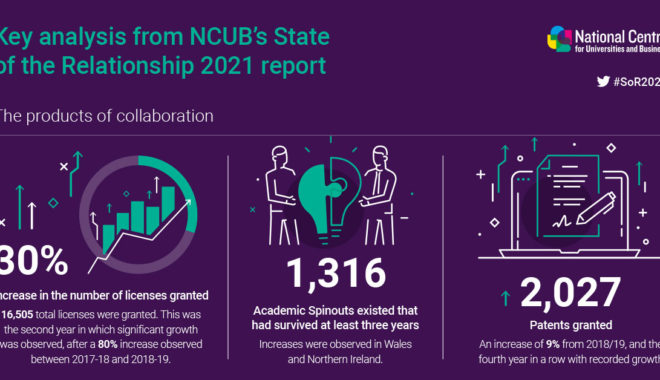
Each year, NCUB celebrates collaborations between universities and industry in a report highlighting trends in innovation. This year, activities at two SES members are featured.
Quality-related research funding has been described by the Russell Group of universities as “the invisible force holding up the UK’s research ecosystem”.
COP26 in Glasgow is showcasing the innovation and research influencing policy makers’ decisions on climate change. Find out how SES member universities are contributing.
Celebrating the collective successes of Science and Engineering South member universities in the UK Knowledge Exchange Framework
Spending on mental health in England could be targeted better in future, thanks to a modelling tool developed by researchers from two Science and Engineering South institutions
University equipment sharing databases were a response to new grant funding requirements, but Chris Wilkinson reports that the University of Cambridge’s database is taking on added significance in the COVID-19 pandemic.